What is a Hyperbaric Chamber Used For
Hyperbaric chambers, also known as hyperbaric oxygen therapy (HBOT) chambers, have been used for decades to treat a variety of medical conditions. These specialized enclosures utilize increased atmospheric pressure to deliver high concentrations of oxygen to the body, promoting healing, reducing inflammation, and enhancing overall health.
In this article, we will explain the history, principles, and therapeutic applications of hyperbaric chambers, highlighting their uses in various medical fields.
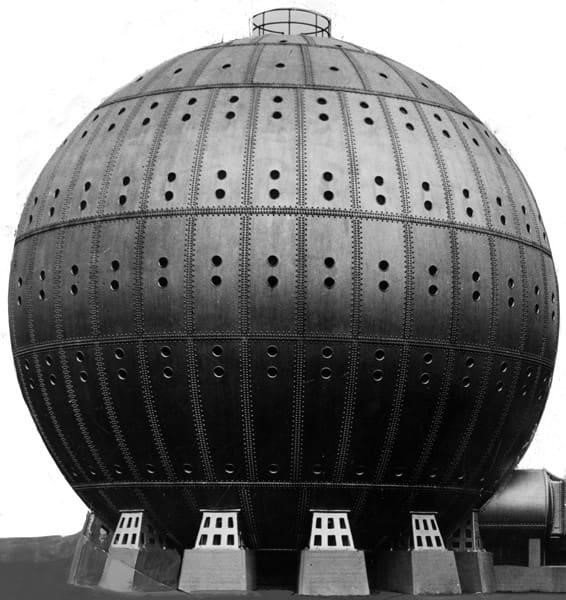
In 1662 Nathaniel Henshaw built the first chamber, called the "domicilium." This early chamber was used to treat various health conditions, but it wasn't until the 19th century that hyperbaric medicine started to gain momentum.
In the 1830s, hyperbaric medicine experienced a revival in Europe with the construction of new chambers and the establishment of "pneumatic centers." One notable chamber was built by Pravaz in Lyon, France, in 1837, which could accommodate 12 patients. This period marked the beginning of hyperbaric medicine as a recognized treatment option.
The modern era of hyperbaric medicine began in the mid-20th century with the work of researchers like Dr. Álvaro Osório de Almeida and Dr. Boerema. Today, hyperbaric oxygen therapy is used to treat a range of medical conditions, including wounds, injuries, and neurological disorders.
The development of hyperbaric medicine continues to evolve, with new technologies and treatments being developed to improve patient outcomes.
Principles of Hyperbaric Chambers
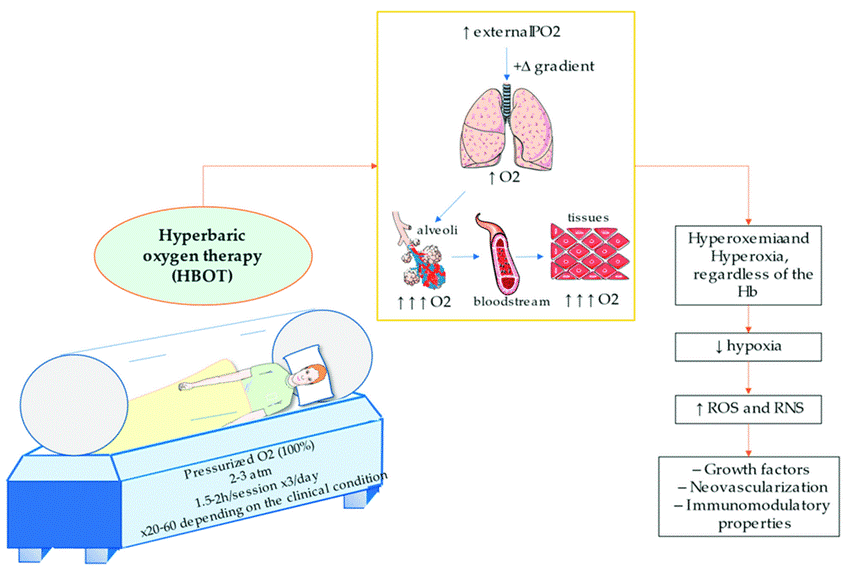
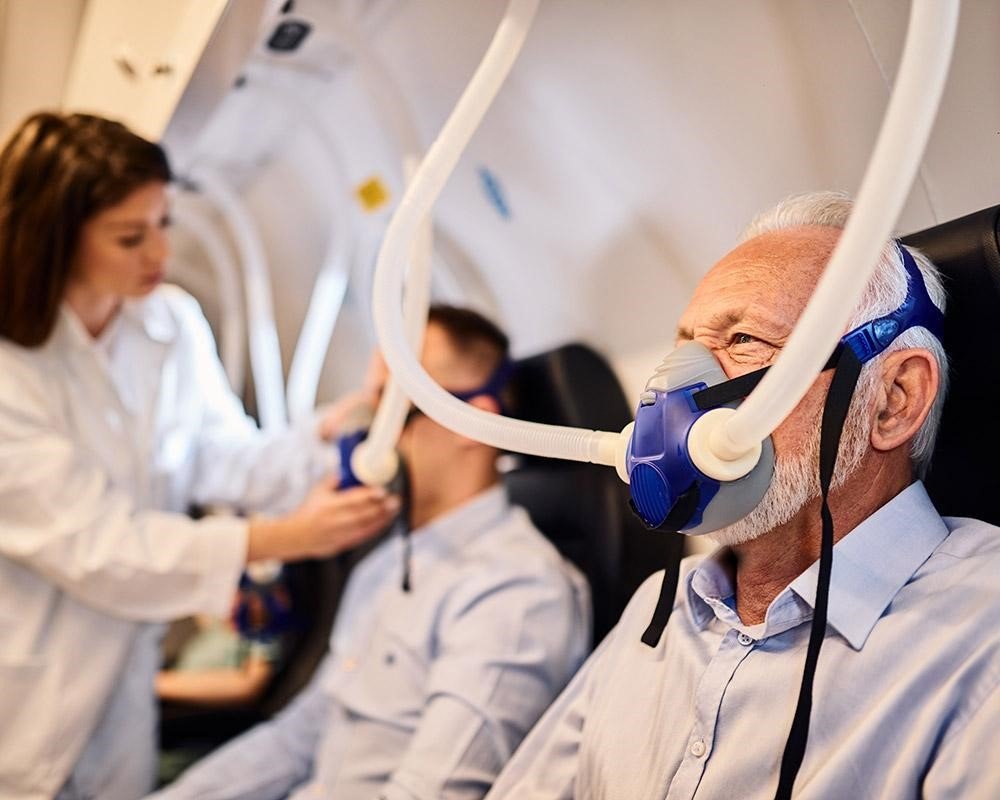
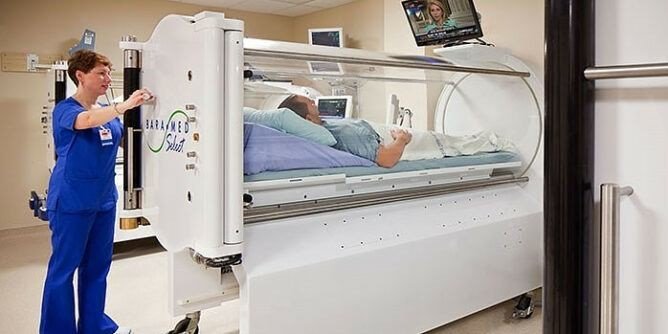
A hyperbaric chamber is a pressurized enclosure that maintains a higher atmospheric pressure than the surrounding environment. The chamber is typically filled with 100% oxygen, which is inhaled by the patient through a mask or hood.
The increased pressure allows the oxygen to dissolve more easily into the bloodstream, tissues, and organs, promoting various therapeutic effects.
1. Increased oxygen delivery
Hyperbaric oxygen therapy (HBOT) increases the partial pressure of oxygen in the blood, which allows for more oxygen to be delivered to the body's tissues and organs. This is especially beneficial for areas of the body that are not receiving enough oxygen, such as wounds or damaged tissues.
When you breathe in a hyperbaric chamber, the high pressure allows your body to absorb more oxygen than it would at normal air pressure. This extra oxygen is then carried to all parts of your body, helping to heal and repair damaged tissues.
2. Reduced inflammation
HBOT has anti-inflammatory properties, which can help reduce swelling and promote healing by decreasing the production of pro-inflammatory cytokines and increasing the production of anti-inflammatory cytokines.
When you're injured or sick, your body's natural response is to become inflamed. Hyperbaric oxygen therapy can help reduce this inflammation, which can make you feel better and promote healing.
3. Improved wound healing
HBOT enhances wound healing by increasing collagen synthesis, promoting angiogenesis (the formation of new blood vessels), and increasing the production of growth factors that are essential for wound healing.
Hyperbaric oxygen therapy can help your body heal wounds faster and more effectively. The extra oxygen helps to build new tissue, reduce swelling, and promote the growth of new blood vessels, all of which are essential for healing.
Therapeutic Applications of Hyperbaric Chambers
Hyperbaric chambers are used to treat a wide range of medical conditions, including:
- Diving accidents: Hyperbaric chambers help to treat decompression sickness, a condition that occurs when a diver surfaces too quickly and nitrogen bubbles form in the bloodstream.
- Wound care: Hyperbaric oxygen therapy is used to treat chronic wounds, such as diabetic foot ulcers, pressure sores, and burns.
- Poisoning: Hyperbaric chambers are used to treat carbon monoxide poisoning and other types of poisoning.
- Brain injuries: Hyperbaric oxygen therapy has been shown to improve cognitive function and reduce inflammation in patients with stroke and traumatic brain injury.
- Chronic pain: Hyperbaric chambers are used to treat chronic pain conditions, such as fibromyalgia and arthritis.
- Infections: Hyperbaric oxygen therapy is used to treat various infectious diseases, including bone infections and flesh-eating disease.
- Autism and ADHD: Some studies suggest that hyperbaric oxygen therapy may be beneficial in treating autism and attention deficit hyperactivity disorder (ADHD).
- Sports medicine: Hyperbaric chambers are used by some athletes to enhance recovery, reduce inflammation, and improve performance.
Hyperbaric oxygen therapy is also used to treat:
- Crushing injuries: Hyperbaric chambers help to treat injuries from crushing forces.
- Gas gangrene: Hyperbaric oxygen therapy is used to treat gas gangrene, a form of gangrene in which gas collects in tissues.
- Delayed radiation injury: Hyperbaric chambers are used to treat delayed radiation injury.
- Osteonecrosis of the jaw: Hyperbaric oxygen therapy is used to treat osteonecrosis of the jaw, a condition in which the jawbone dies due to lack of blood supply.
- Necrotizing bacterial soft tissue infections: Hyperbaric chambers are used to treat flesh-eating disease, a condition in which bacteria cause tissue death.
- Air or gas embolism: Hyperbaric oxygen therapy is used to treat air or gas bubbles trapped in a blood vessel.
Future Directions
Researchers are working on exploring new ways to use hyperbaric chambers to help people with different medical conditions. Some potential future uses include:
- Cancer treatment: Hyperbaric oxygen therapy could be a powerful tool in the fight against cancer, helping to make treatments more effective and improving patient outcomes.
- Brain diseases: Hyperbaric oxygen therapy may help people with brain diseases like Alzheimer's and Parkinson's, slowing down disease progression and improving quality of life.
- Regenerative medicine: Hyperbaric oxygen therapy could help the body heal and repair damaged tissues, potentially leading to new treatments for a range of conditions.
Conclusion
Hyperbaric chambers have been used for decades to treat a variety of medical conditions. The therapeutic applications of HBOT are diverse, ranging from wound care and decompression sickness to chronic pain management and infectious diseases. While there are some contraindications and potential side effects, the benefits of hyperbaric chambers make them a valuable tool in modern medicine. As research continues to uncover new applications for HBOT, it is likely that hyperbaric chambers will play an increasingly important role in the treatment of various medical conditions.
References
Complications of hyperbaric oxygen treatment. (2024b, July 24). Johns Hopkins Medicine. https://www.hopkinsmedicine.org/health/treatment-tests-and-therapies/complications-of-hyperbaric-oxygen-treatment
The role of Hyperbaric Oxygen therapy (HBOT) in cancer treatment and management | National Hyperbaric. (n.d.-b). https://www.nationalhyperbaric.com/hbot-treatments-and-conditions/cancer
History of HBO | DDRC Healthcare. (2024c, April 16). DDRC Healthcare. https://www.ddrc.org/hyperbarics/history-of-hbo/
Ahmadi, F., & Khalatbary, A. R. (2021b). A review on the neuroprotective effects of hyperbaric oxygen therapy. Medical Gas Research, 11(2), 72–82. https://doi.org/10.4103/2045-9912.311498