The Role of Hyperbaric Chambers in Athletic Performance
As the world of sports continues to evolve, athletes are constantly seeking innovative ways to gain a competitive edge. One such innovation that has gained popularity in recent years is the use of hyperbaric chambers. Hyperbaric oxygen therapy (HBOT) involves breathing pure oxygen in a pressurized chamber, which has been shown to have numerous benefits for athletes.
In this article, we will explore the science behind hyperbaric chambers, their applications in sports medicine, and the benefits they can provide to athletes.
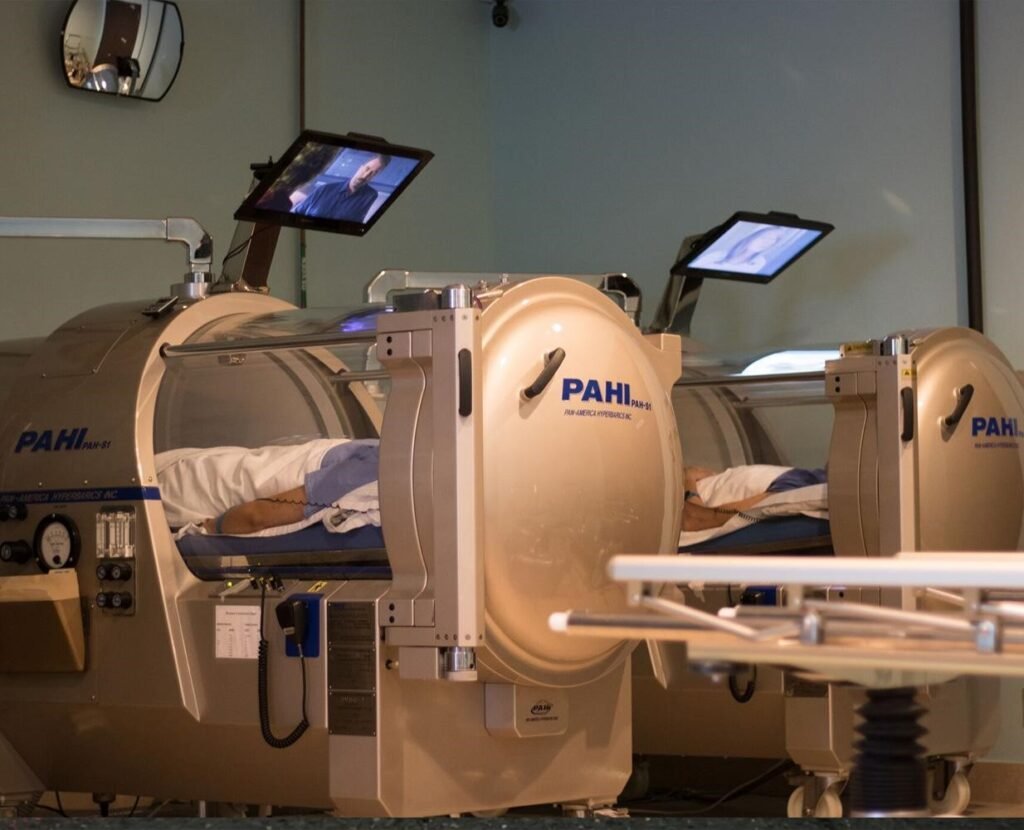
A hyperbaric chamber is a special room that helps your body heal by giving you a lot of oxygen. The room is sealed and pressurized, like a submarine, and you breathe in 100% oxygen while you're inside.
The oxygen is delivered under pressure, which helps it get into your body's tissues more easily. This can be really helpful for people who are recovering from injuries or illnesses.
History of Hyperbaric Chambers in Sports
The use of hyperbaric chambers in sports medicine dates back to the 1960s, when they were first used to treat scuba diving injuries. However, it wasn't until the 1990s that HBOT began to gain popularity as a tool for enhancing athletic performance and recovery.
Today, hyperbaric chambers can be found in sports medicine clinics and training facilities around the world.
Benefits of Hyperbaric Chambers for Athletes
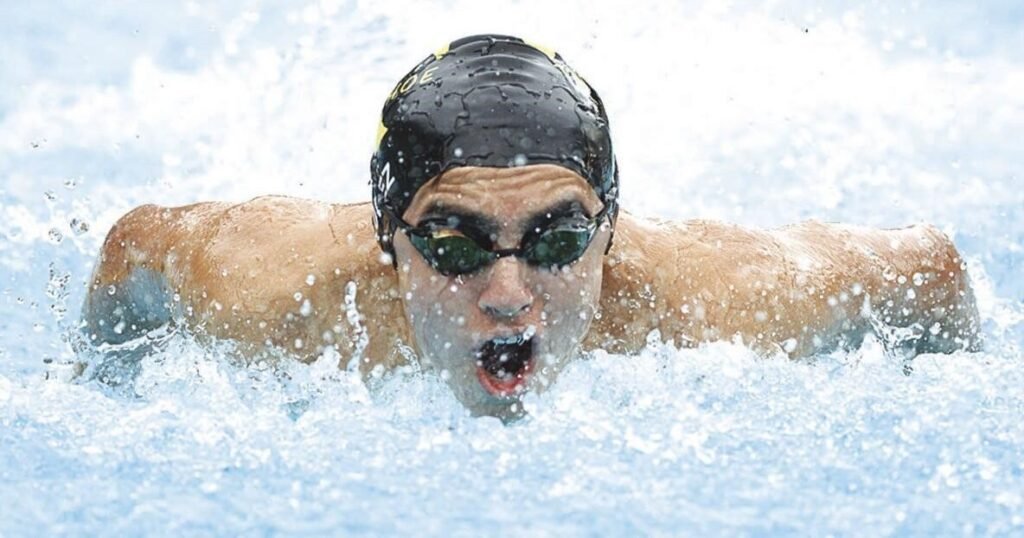
1. Enhanced Recovery: HBOT has been shown to reduce muscle soreness and inflammation after intense exercise. By increasing oxygen delivery to the muscles, HBOT can help to reduce lactic acid buildup and promote the removal of waste products.
2. Improved Performance: Increased oxygen delivery to the muscles can also enhance endurance and reduce fatigue. Athletes who use HBOT have reported improved performance in events that require sustained effort, such as distance running and cycling.
3. Injury Treatment: HBOT has been used to treat a range of sports-related injuries, including concussions, tendonitis, and broken bones. By promoting collagen synthesis and enhancing blood flow, HBOT can aid in the healing process and reduce recovery time.
4. Reduced Oxidative Stress: Intense exercise can lead to oxidative stress, which can cause damage to cells and tissues. HBOT has been shown to reduce oxidative stress by neutralizing free radicals and promoting the production of antioxidants.
5. Improved Cognitive Function: HBOT has been shown to improve cognitive function and reduce symptoms of concussion. By increasing oxygen delivery to the brain, HBOT can aid in the recovery from head injuries and improve focus and concentration.
Applications of Hyperbaric Chambers in Sports Medicine
1. Pre-Competition Preparation: Athletes can use HBOT to prepare for competition by increasing oxygen delivery to the muscles and reducing oxidative stress.
2. Post-Competition Recovery: HBOT can be used after competition to aid in recovery and reduce muscle soreness.
3. Injury Rehabilitation: HBOT can be used to treat a range of sports-related injuries, including concussions, tendonitis, and broken bones.
4. Altitude Training: HBOT can be used to simulate high-altitude conditions, allowing athletes to train at sea level while still adapting to the physiological effects of high altitude.
Current Evidence
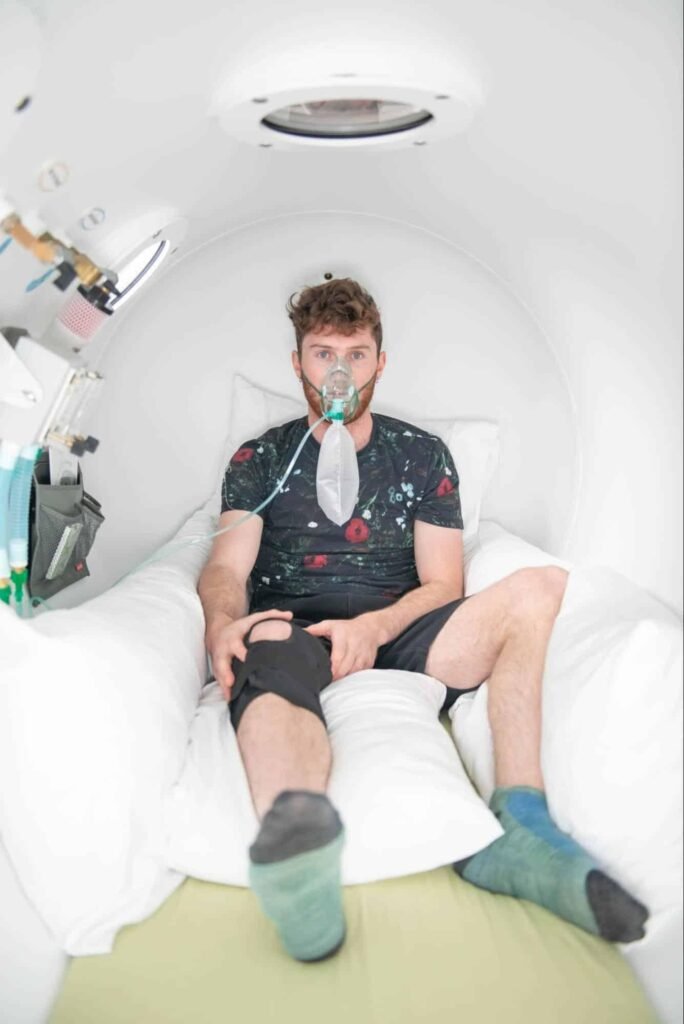
HBOT has been shown to accelerate recovery from exercise-related muscle injuries. A study published by Chen-Yu Chen et al. found that athletes who received HBOT experienced significant reductions in muscle damage markers and reported less pain.
HBOT improved their physical recovery and alleviated pain. It also enhanced their athletic performance by increasing oxygen consumption, power, and endurance. Additionally, HBOT improved mitochondrial function, which is critical for energy production.
Expert Consensus on HBOT
Health professionals widely acknowledge that HBOT is a reliable, efficient, and gentle therapy that speeds up recovery from muscle injuries. +
Its advantages make it a highly valuable resource in the sports and fitness sector, especially for athletes who undergo intense training and competition.
Guidelines for Athletes
- Seek Medical Guidance: Before incorporating HBOT into your training regimen, consult with a qualified healthcare professional to determine if it's suitable for you.
- Select a Credible Facility: Choose a reputable hyperbaric chamber facility with experienced staff and a well-maintained chamber that adheres to safety standards.
- Develop a Comprehensive Training Strategy: Integrate HBOT into a well-structured training and recovery program that addresses your specific needs and goals.
- Track and Adjust Your Progress: Regularly monitor your progress and adjust your training plan as needed to optimize the benefits of HBOT and achieve your desired outcomes.
Conclusion
Hyperbaric chambers have become a popular tool in sports medicine, offering a range of benefits for athletes. From enhanced recovery and improved performance to injury treatment and reduced oxidative stress, HBOT has been shown to be a valuable adjunct to traditional training and recovery methods. While there are some potential side effects to be aware of, the benefits of HBOT make it a worthwhile investment for athletes looking to gain a competitive edge.
References
Sports Endurance & Recovery HBO - The Wellness Lab - Hyperbaric Oxygen Therapy London. (2024, September 30). The Wellness Lab - Hyperbaric Oxygen Therapy London. https://www.thewellnesslab.com/sports-endurance-hyperbaric-oxygen/
K, P. (2024, March 19). HBOT: 6 potential benefits in sports medicine. Bangkok Hospital Pattaya. https://bangkokpattayahospital.com/hyperbaric-oxygen-therapy/6-benefit-hbot-in-sports-medicine/
Connealy, L. E., MD. (2023, November 12). 10 Olympic athletes who employ hyperbaric oxygen therapy. Hyperbaric Oxygen Institute. https://hyperbaricoxygeninstitute.com/10-olympic-athletes-hyperbaric-oxygen-therapy/
Hadanny, A., Hachmo, Y., Rozali, D., Catalogna, M., Yaakobi, E., Sova, M., Gattegno, H., Hamed, R. A., Lang, E., Polak, N., Friedman, M., Finci, S., Zemel, Y., Bechor, Y., Gal, N., & Efrati, S. (2022). Effects of hyperbaric oxygen therapy on mitochondrial respiration and physical performance in Middle-Aged Athletes: a blinded, randomized controlled trial. Sports Medicine - Open, 8(1). https://doi.org/10.1186/s40798-021-00403-w