The Power of Hyperbaric Chambers in Wound Healing
The hyperbaric chamber is a specialized medical device that utilizes high-pressure oxygen therapy to enhance wound healing and tissue repair. The chamber promotes angiogenesis, reduces oxidative stress, and accelerates the healing process. This article will examine the clinical applications and benefits of hyperbaric chamber therapy in wound care, highlighting its potential to improve patient outcomes and reduce morbidity.
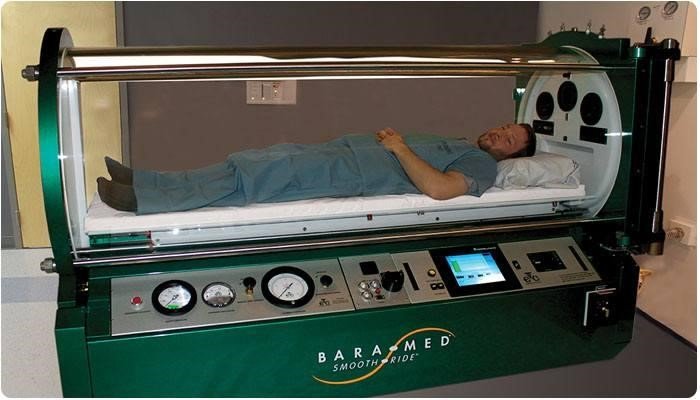
Hyperbaric oxygen therapy is a treatment that involves breathing in 100% oxygen in a special chamber that's pressurized to a higher level than normal air. The increased pressure helps the body absorb more oxygen into the bloodstream, which is then delivered to the tissues. For patients, this can be especially beneficial for healing wounds, as oxygen is a crucial part of the healing process.
Mechanisms of Action
HBOT's effectiveness in wound healing can be attributed to several key mechanisms of action. These mechanisms work together to promote optimal wound healing and tissue repair.
1. Oxygenation of the Wound Bed
One of the primary mechanisms of HBOT is the increased delivery of oxygen to the wound bed. Oxygen is essential for the production of collagen, a protein that provides structure and strength to newly formed tissue.
By increasing oxygen availability, HBOT promotes the production of collagen and enhances the healing process. This is particularly important for wounds that are not receiving adequate oxygen, such as those in patients with peripheral artery disease or diabetes.
2. Enhanced Collagen Production
HBOT stimulates collagen synthesis, leading to faster wound closure and improved tissue strength. As a result, wounds heal more quickly and with greater tissue integrity.
Collagen is a critical component of the wound healing process, providing a scaffold for new tissue growth and promoting tissue remodeling.
3. Improved Tissue Perfusion and Oxygenation
The increased pressure of HBOT improves blood flow to the wound, delivering oxygen and nutrients to the affected area and promoting optimal wound healing and tissue repair. This is particularly important for wounds that are located in areas with poor circulation, such as the lower extremities.
4. Anti-Inflammatory Effects
HBOT reduces inflammation, creating an optimal environment for wound healing and tissue repair. Chronic inflammation can impede the wound healing process, leading to prolonged healing times and increased risk of complications. This reduction in inflammation helps to promote faster healing and reduce the risk of complications.
5. Antimicrobial Effects
HBOT inhibits the growth of certain bacteria, reducing the risk of infection and promoting wound healing. Infections can significantly impede the wound healing process, leading to prolonged healing times and increased risk of complications. This reduction in bacterial growth helps to promote optimal wound healing and tissue repair.Types of Wounds Treated with HBOT
Types of Wounds Treated with HBOT
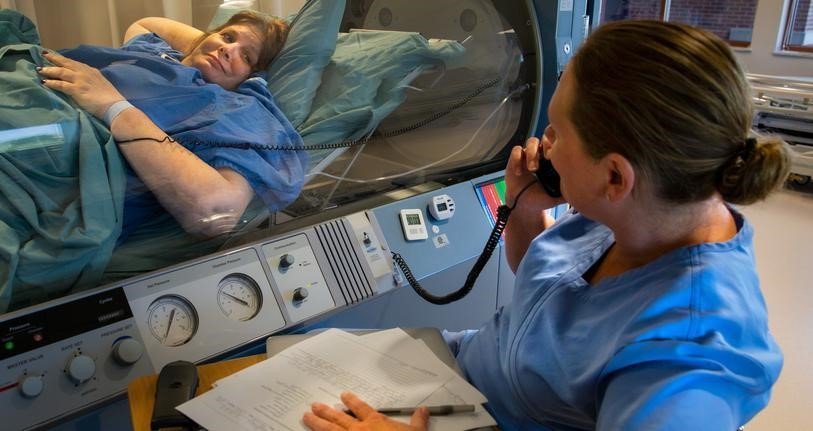
HBOT can be used to treat a variety of wounds, including:
1. Diabetic Foot Ulcers
Diabetic foot ulcers are a common complication of diabetes that can be challenging to heal. HBOT has been shown to be effective in treating these ulcers by increasing oxygen delivery to the affected area, promoting collagen synthesis, and enhancing wound closure.
2. Chronic Wounds
Chronic wounds, such as venous ulcers and pressure ulcers, can be resistant to conventional treatment. HBOT can help to promote healing in these wounds by increasing oxygenation, reducing inflammation, and enhancing tissue perfusion.
3. Traumatic Wounds
Traumatic wounds, such as those sustained in accidents or injuries, can benefit from HBOT. This therapy can help to promote healing by increasing oxygen delivery, reducing inflammation, and enhancing tissue repair.
4. Non-Healing Wounds
HBOT can be used to treat any type of wound or infection that has been classified as "non-healing." This classification is typically reached when a wound has shown no improvement for four weeks. HBOT can help to promote healing in these wounds by increasing oxygenation, reducing inflammation, and enhancing tissue repair.
5. Radiation Wounds
Radiation therapy can cause damage to the skin and underlying tissues, leading to wounds that can be challenging to heal. HBOT can help to promote healing in these wounds by increasing oxygenation, reducing inflammation, and enhancing tissue repair.
Treatment Protocol
The treatment protocol for wounds resulting from radiation is based on a variety of factors, including the patient's health, the severity of the wound, and the dose of radiation used. In some cases, HBOT may be recommended as part of the treatment plan to promote healing and reduce the risk of complications.
Current Evidence
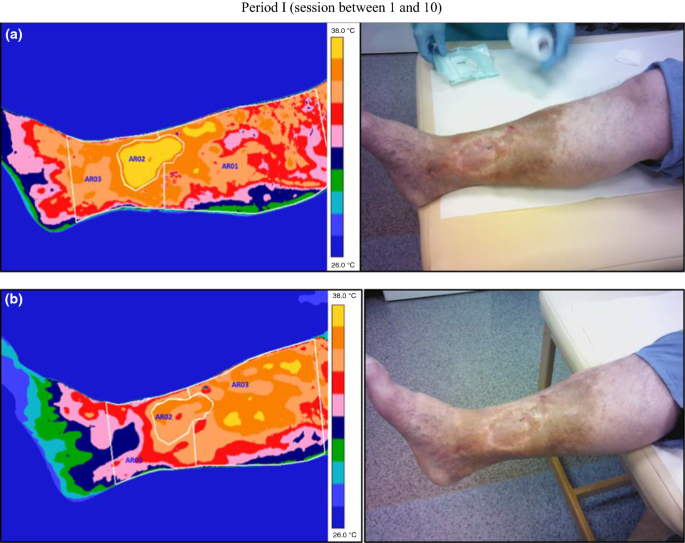
Hyperbaric oxygen therapy (HBOT) has been shown to be effective in wound care treatment through numerous studies. Despite this, its use is limited due to lack of awareness and concerns about the evidence base.
However, critics' arguments about flawed research are unfair, as other areas of medicine have similar limitations but are still considered evidence-based.
Studies have shown excellent results, including a recent one on diabetic foot ulcers where patients who completed HBOT achieved a 74% healing rate, compared to 54% for those who received standard care alone.
Clinical Guidelines
Several organizations have developed clinical guidelines for the use of HBOT in wound healing. The Undersea and Hyperbaric Medical Society (UHMS) recommends HBOT for the treatment of diabetic foot ulcers, chronic wounds, and traumatic wounds.
Conclusion
Hyperbaric oxygen therapy is a valuable adjunctive treatment for wound healing. The evidence supporting its use is strong, and it has been shown to improve wound healing outcomes, reduce inflammation, and promote tissue repair. While there are some contraindications and side effects to be aware of, HBOT is generally considered safe and effective.
As our understanding of the mechanisms of action and clinical applications of HBOT continues to evolve, it is likely that its use will become more widespread in the treatment of wounds.
References
Healogics. (2023, August 4). Hyperbaric oxygen therapy is proven to help heal wounds | Healogics. https://www.healogics.com/blog/hbot-helps-heal-wounds/
Hyperbaric oxygen therapy for wound healing. (2019, August 14). Johns Hopkins Medicine. https://www.hopkinsmedicine.org/health/treatment-tests-and-therapies/hyperbaric-oxygen-therapy-for-wound-healing
Sanchez, M. (2024, February 15). What is hyperbaric oxygen therapy and how it works to heal chronic wounds. HealthPartners Blog. https://www.healthpartners.com/blog/hyperbaric-oxygen-therapy/
Appshineadmin. (2023, June 20). Undersea & Hyperbaric Medical Society Position Statement. https://lhmhealthcare.com/2023/01/24/undersea-hyperbaric-medical-society-position-statement/
Mills, B. J. (2012). Wound healing: the evidence for hyperbaric oxygen therapy. British Journal of Nursing, 21(Sup20), S28–S34. https://doi.org/10.12968/bjon.2012.21.sup20.s28